Why people look for Synthesia alternatives
Searchers for synthesia alternatives are rarely chasing novelty. They are reacting to recurring friction documented in user sentiment.
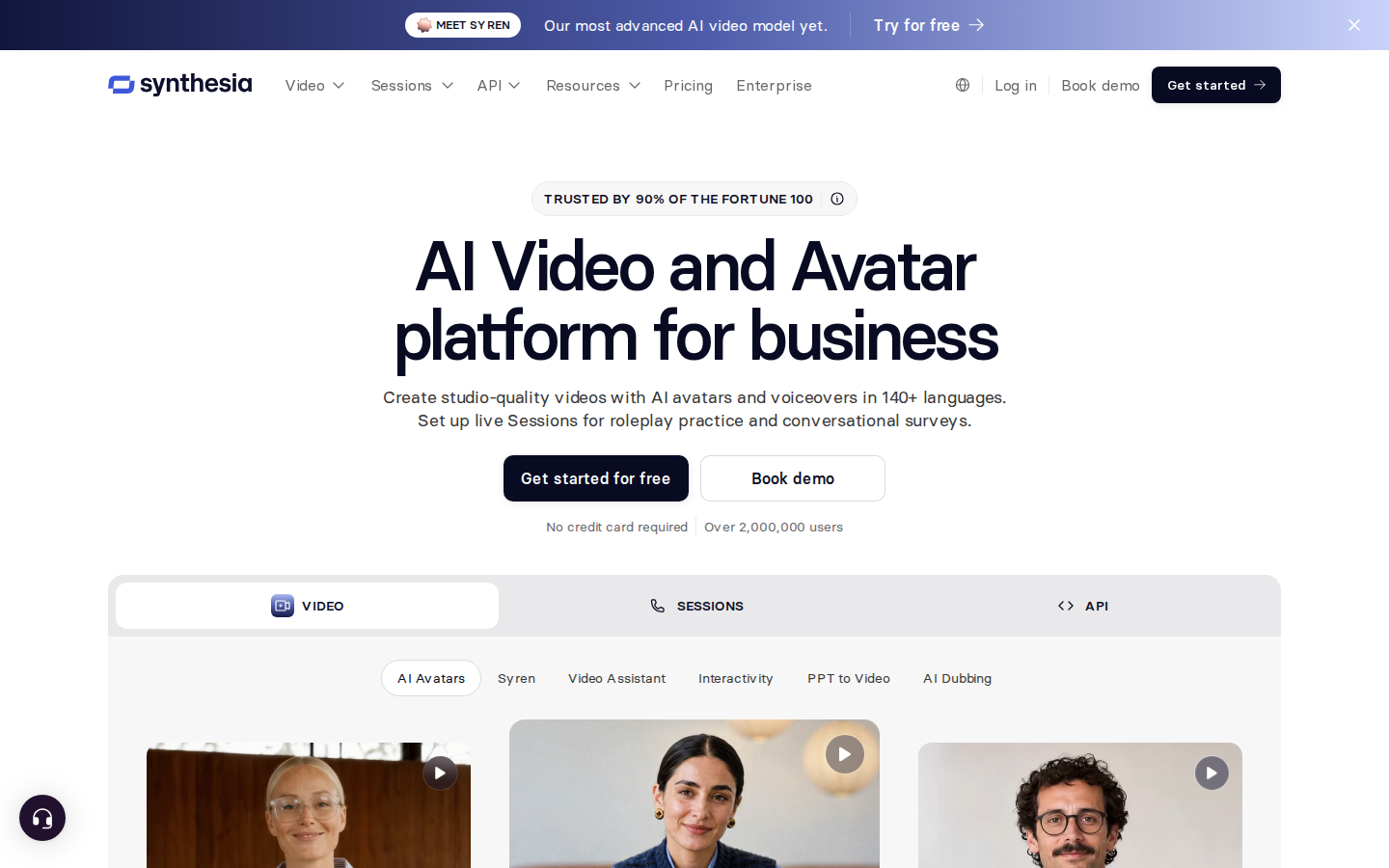
Credits and caps feel punitive. Starter and higher plans tightly meter minutes or credits that often do not roll over. Previews and iterations burn allowance fast; unused credits feel wasted. Credit-based pricing added complexity versus older minute mental models (proof #12).
Billing and plan jumps sting. Users report surprise upgrade charges, difficult refunds, and a steep step to Enterprise when they outgrow self-serve seats and avatars (proof #12).
Avatars still read corporate-stiff. Lip-sync and polish improved, yet many still call output bland, robotic, or uncanny on longer or emotional scripts—fine for short compliance clips, weak for story-led or creative work (proof #12).
Moderation blocks legitimate work. Strict, opaque filters flag medical, financial, educational, or affiliate content, with slow or unclear appeals (proof #12).
Support quality tracks tier. Lower-plan users describe slow or automated replies alongside occasional render/UI failures (proof #12).
If those map to your last quarter of usage, a switch—or a dual-tool setup—is rational. If you mainly ship multilingual onboarding at enterprise scale, read the “when to stay” section before canceling.
Synthesia alternatives at a glance
Use this table to shortlist, then read the per-tool sections for trade-offs and migration notes. Starting prices are the lowest paid self-serve plan from our 2026-10-22 snapshots where available; currency differs by vendor.
Scores weigh avatar/talking-head fit versus Synthesia, pricing clarity, and how directly each tool fixes a common Synthesia complaint—not generic “AI video” hype.
Side-by-side comparison
| Alternative | Best for | Starting price | Fixes which Synthesia problem | Score |
|---|---|---|---|---|
| HeyGen | Expressive avatars, demos, localization | Creator $29/mo (Free tier available) | Stiff avatars; slower creative iteration | 8.2 |
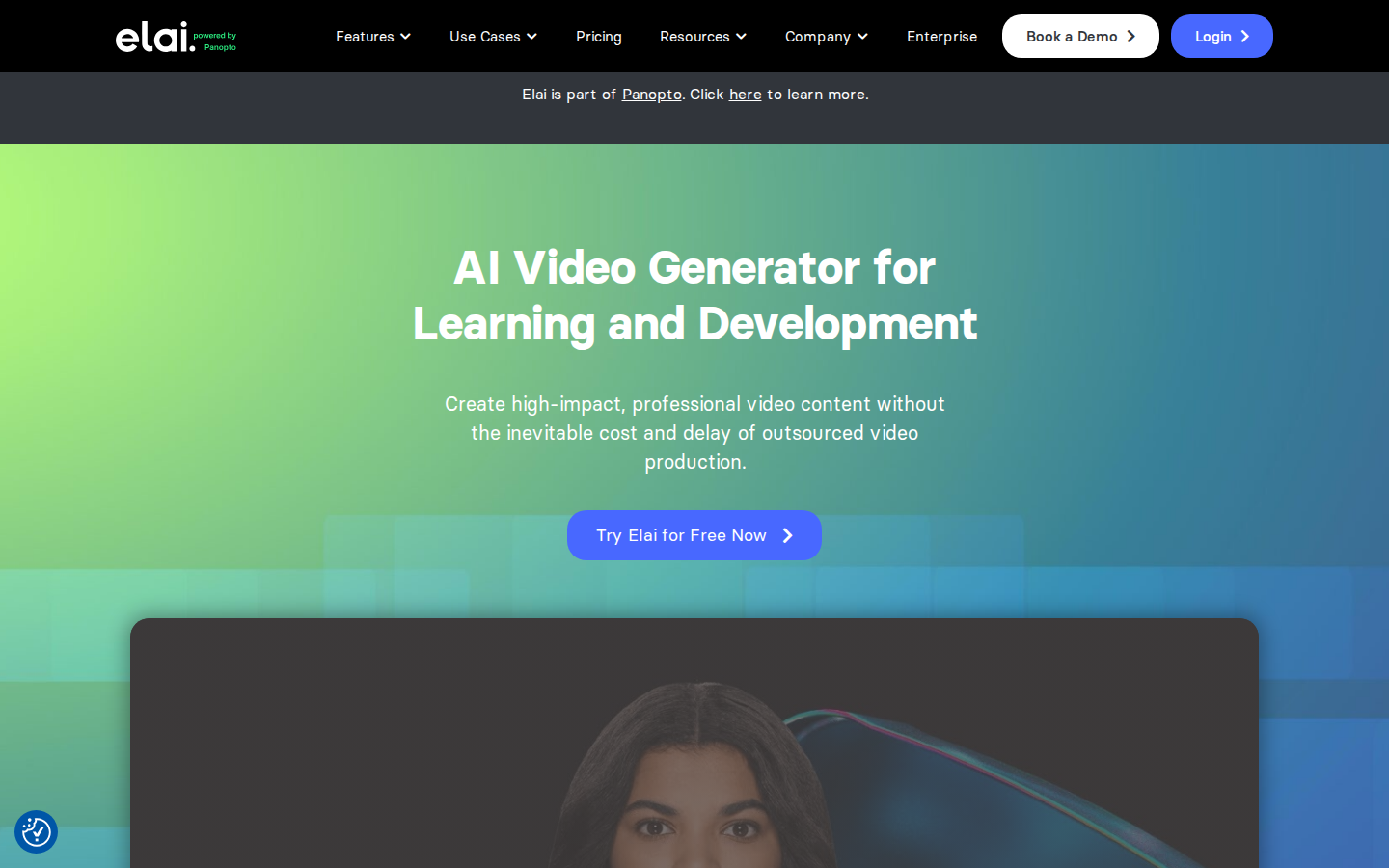
| Elai.io | L&D, PPT-to-video, simpler minutes | Creator $29/mo (1 min Free) | Credit complexity; training workflow cost | 7.8 |
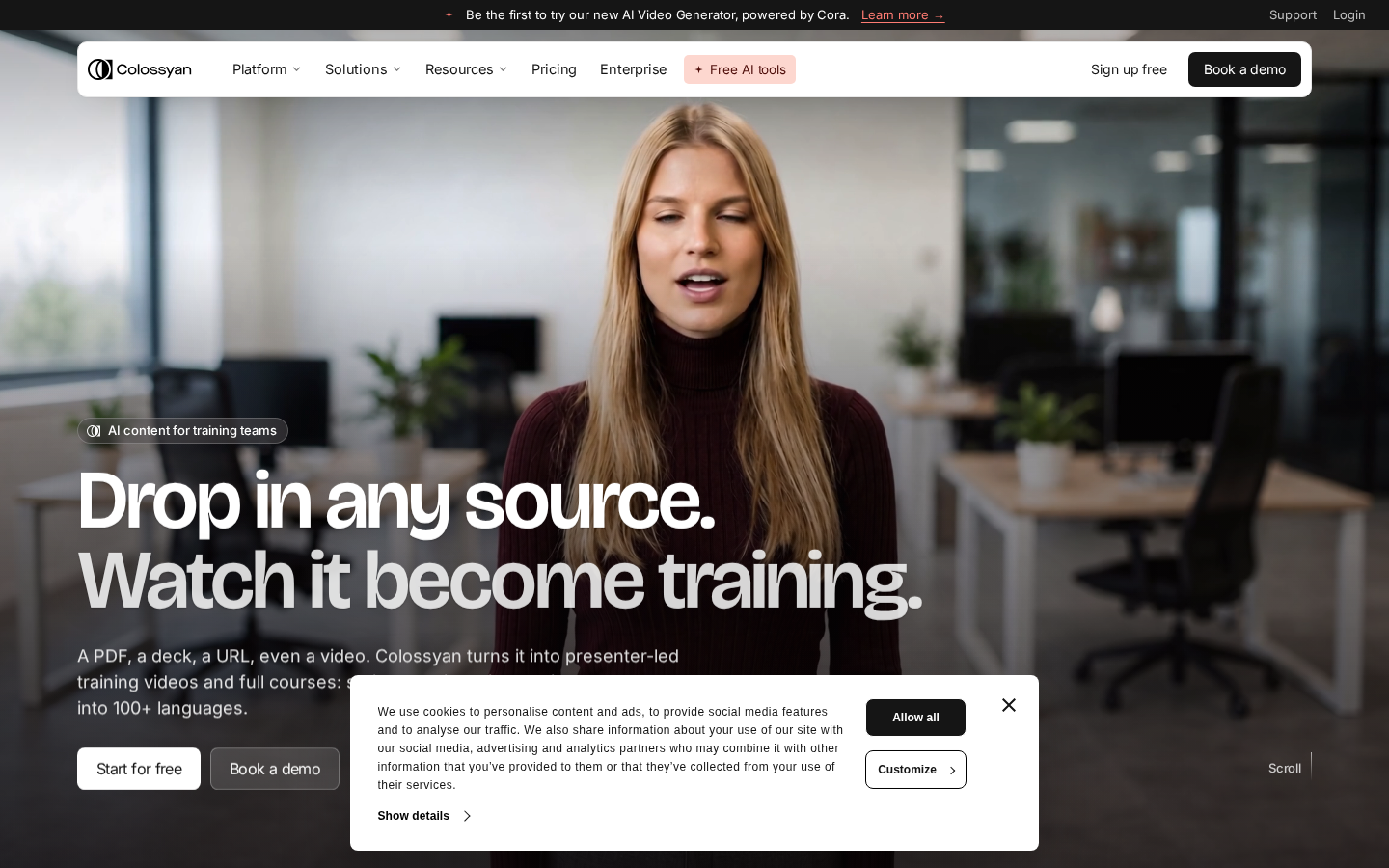
| Colossyan | Interactive training, SCORM/xAPI | Verify live (minute caps common) | Weak interactivity/LMS depth on lower tiers | 7.7 |
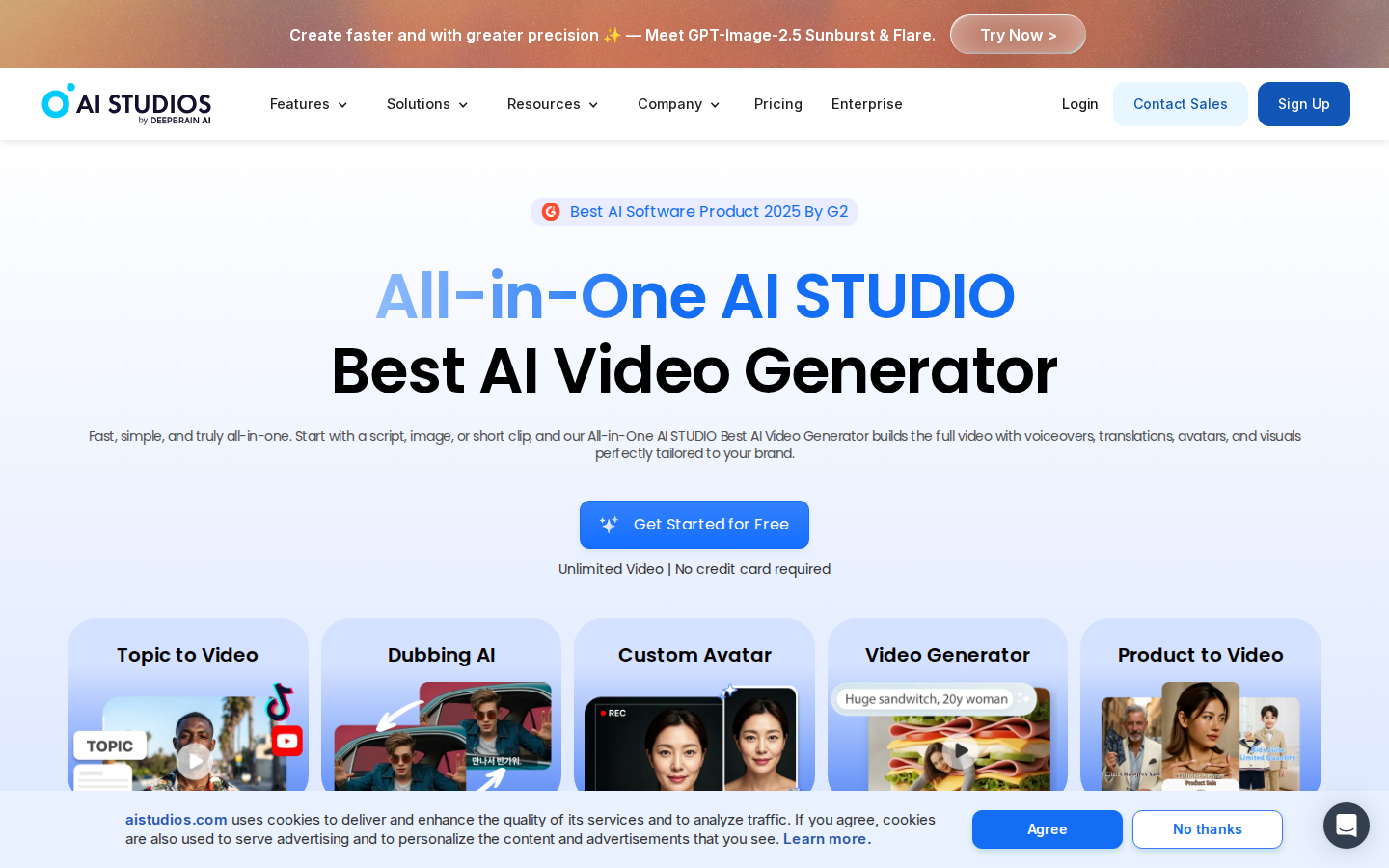
| DeepBrain AI | High volume presenter videos + dubbing | Personal $24/mo (Free tier) | Tight yearly credit pools for talking-heads | 7.4 |
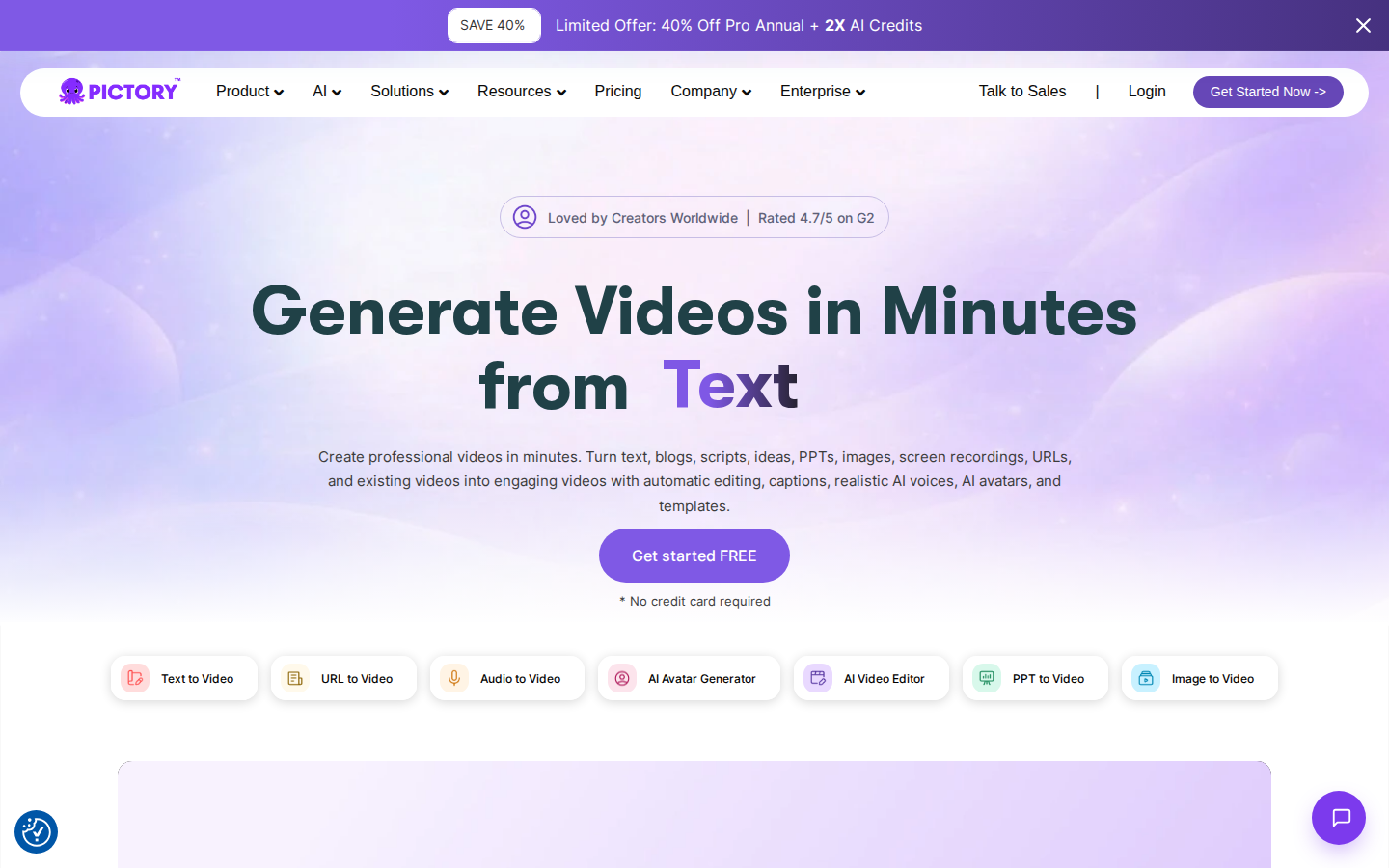
| Pictory | Blog/script → stock social explainers | Verify live | Wrong tool fit when you needed repurposing not avatars | 7.1 |
| InVideo | Faceless Shorts/social prompt videos | Starter €20/mo (€10 annual) | Not an avatar/LMS twin—social speed only | 6.6 |
| Hour One | Virtual human presenters (pilot first) | Unknown in our proofs | Needs live verification | — |
HeyGen — strongest avatar-first Synthesia alternative
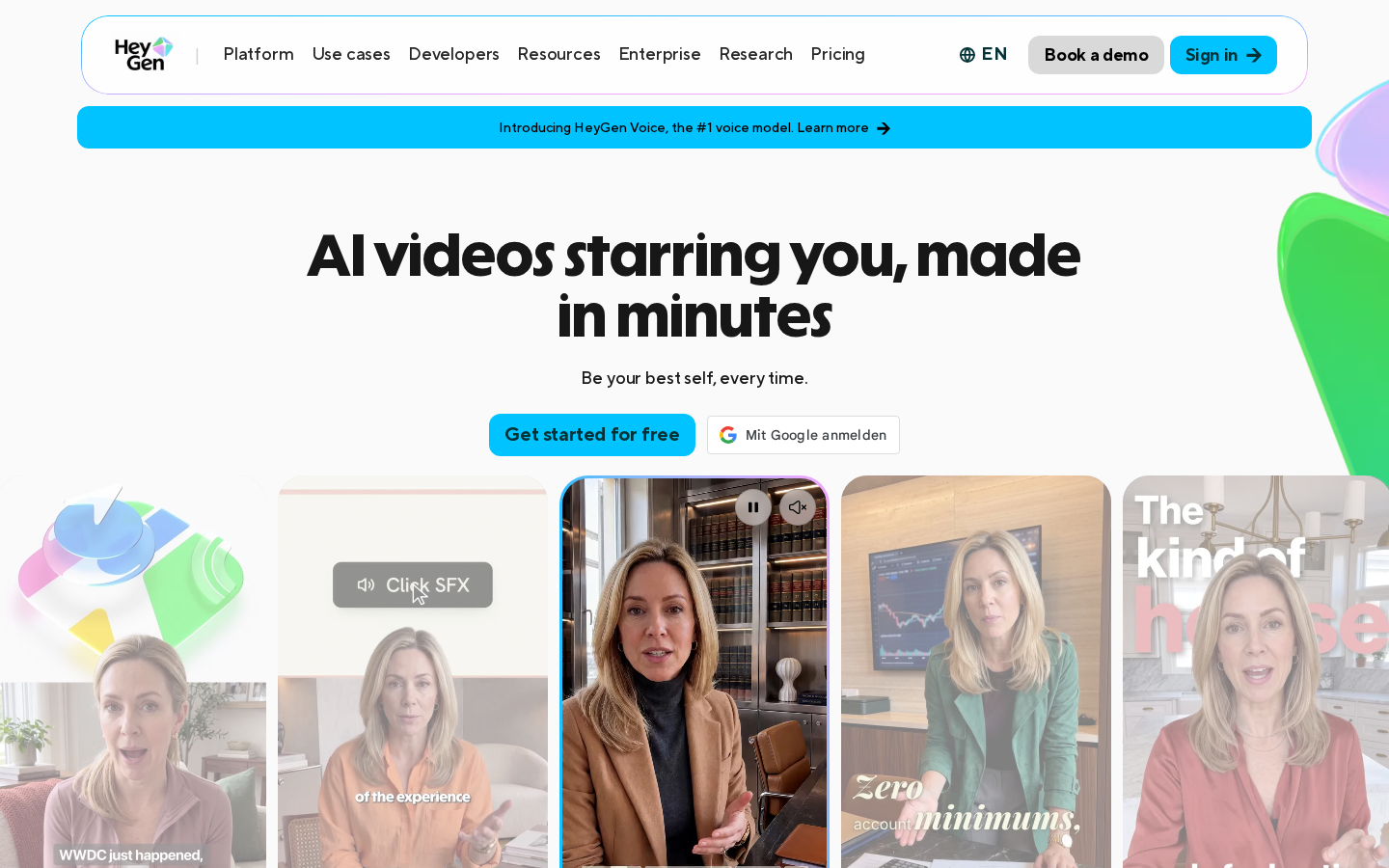
Pain it solves: Users who find Synthesia avatars stiff often praise HeyGen’s newer Avatar IV/V and photo-to-avatar paths for more usable expressions and reusable characters on demos and training (proof #16). Multilingual lip-sync/translation (175+ languages called out in sentiment) matches the localization reason many bought Synthesia in the first place.
Pricing snapshot (2026-10-22): Free tier (3 watermarked videos/month, max 1 minute). Creator $29/mo ($24/mo annual) with 600 credits, 1080p, clips up to 30 minutes. Pro $49/mo with 1000 credits and 4K. Business listed around $149/mo + per-seat in FAQ notes; Enterprise via sales (proof #15).
Trade-off: Sentiment is mixed for the same reason people leave other tools—credits. Premium avatars reportedly burn 20–70 credits per minute; failed or partial renders and minor edits still consume credits; plan changes mid-subscription draw sharp complaints; support on billing/refunds is often slow (proof #16). Free/lower tiers watermark and limit hard.
Migration effort: Medium. Scripts port easily; expect to rebuild brand kits and re-create personal avatars. Re-test lip-sync on your longest template before cutting over. Monitor credit math on Avatar IV/V before committing annual.
Best for: Marketers, educators, and L&D teams shipping short explainers, demos, and localized variants who will track credits. Not for: Daily high-volume UGC/API factories or buyers who need “set and forget” unlimited metering (proof #16).
Elai.io — simpler minutes for L&D and PPT-to-video
Pain it solves: Teams tired of Synthesia credit complexity often prefer Elai’s straightforward minutes framing and PPT/URL/text storyboard aimed at training and onboarding. Sentiment highlights time/cost savings, quizzes/hotspots, SCORM/LMS options, API, and responsive support (proof #34).
Pricing snapshot (2026-10-22): Free (1 minute/month). Creator $29/mo for 15 minutes. Team $125/mo for 50/100/150 minutes and 3 seats. Enterprise custom. ~20% off annual noted (proof #33).
Trade-off: Avatar realism and gesture range trail the top tier—stiff motion, lip-sync/pronunciation issues on complex scripts show up in reviews. Re-renders deduct minutes; unused minutes may expire; custom avatars/clones add cost. Advanced batch work has more learning curve than the basics suggest (proof #34).
Migration effort: Low–medium for script/PPT-led training libraries. Map your monthly finished minutes (including failed exports) against Creator vs Team before switching.
Best for: Corporate L&D and small teams turning slides into presenter videos. Not for: External marketing that needs top-tier photoreal avatars or heavy iterators who will thrash 15-minute caps (proof #34).
Colossyan — training-first alternative with SCORM muscle
Pain it solves: If you used Synthesia mainly for onboarding, compliance, and enablement, Colossyan’s PowerPoint-like flow, conversation mode (multi-avatar), templates, brand kits, and SCORM/xAPI plus quizzes/branching align tightly with instructional design—not social clips (proof #36).
Pricing: No full self-serve grid in our proof set; user reports repeatedly cite strict monthly NEO minute caps (often ~15–30 on lower plans), limited NEO2, weak rollover, and Enterprise gates for higher volume—so treat published “from” prices on the site as directional and verify current caps in-app (proof #36).
Trade-off: Gestures, expressions, and some non-English voices still draw “unnatural” feedback versus leading rivals. Renders can diverge from preview, run slow, or stick; advanced emotion/editing controls confuse some users. Annual commits buy rate relief but raise lock-in (proof #36).
Migration effort: Low for L&D teams already on script/PPT import. Rebuild branching and quiz logic deliberately; export a SCORM package early as a smoke test.
Best for: Mid-market and enterprise enablement/HR teams. Not for: Solo YouTubers, creative marketers, or price-sensitive users who will blow non-Enterprise minutes (proof #36).
DeepBrain AI (AI Studios) — volume talking-heads with “unlimited” caveats
Pain it solves: DeepBrain leans into photoreal presenters, custom clones, and multilingual dubbing/lip-sync. Paid plans advertise unlimited AI videos with long max durations—attractive if Synthesia’s yearly credit pools feel small—plus brand kits for scale (proof #40, #39).
Pricing snapshot (2026-10-22): Free (3 videos, ≤1 minute, 16 generative credits, 1 custom avatar). Personal $24/mo: unlimited AI videos ≤30 min, 720 generative credits/year, 120 min dubbing/mo, 3 custom avatars. Team $55/mo: ≤60 min videos, 1800 generative credits/year per seat, 240 min dubbing, 5 custom avatars. Enterprise custom. ~20% annual savings noted (proof #39).
Trade-off: “Unlimited” collides with length caps, render queues after volume, and separate generative credits. Billing lock-in, cancellation friction, and slow support appear often. Emotion/motion can feel repetitive; PDF-to-video skews slide-like (proof #40).
Migration effort: Medium. Scripts move; budget generative credits for the features ads emphasize. Stress-test queue times at your real concurrency.
Best for: SMBs and educators producing many presenter explainers with dubbing needs. Not for: One-off users burned by monthly commitment or buyers who believed unlimited meant uncapped generative features (proof #40).
Pictory — switch only if you needed stock-led repurposing more than avatars
Pain it solves: Pictory is a different job-to-be-done: paste script, blog URL, or recording → auto scenes, B-roll, voiceover, captions. Strong when Synthesia was a blunt instrument for content repurposing rather than branded presenters. Transcript-based editing and brand kits help volume marketers (proof #22).
Pricing: No grid in our snapshot proof; sentiment repeatedly flags monthly AI credits/minutes with little rollover, premium-voice burn, and billing/cancellation friction—verify live pricing on pictory.ai before committing (proof #22).
Trade-off: Stock matching often misses niche/B2B topics, forcing manual swaps. Output can look generic “AI stock.” Avatars/lip-sync are not the center of gravity—dedicated avatar tools win if presenters are the point. Rendering/save glitches and cancel/billing complaints are common (proof #22).
Migration effort: Low for blog-to-social workflows; high if you must preserve a Synthesia avatar catalog (you largely will not).
Best for: Bloggers, course marketers, agencies repurposing text at volume. Not for: Teams standardized on realistic AI presenters or cinematic originality (proof #22).
InVideo — social-first generator, weak Synthesia substitute for corporate avatars
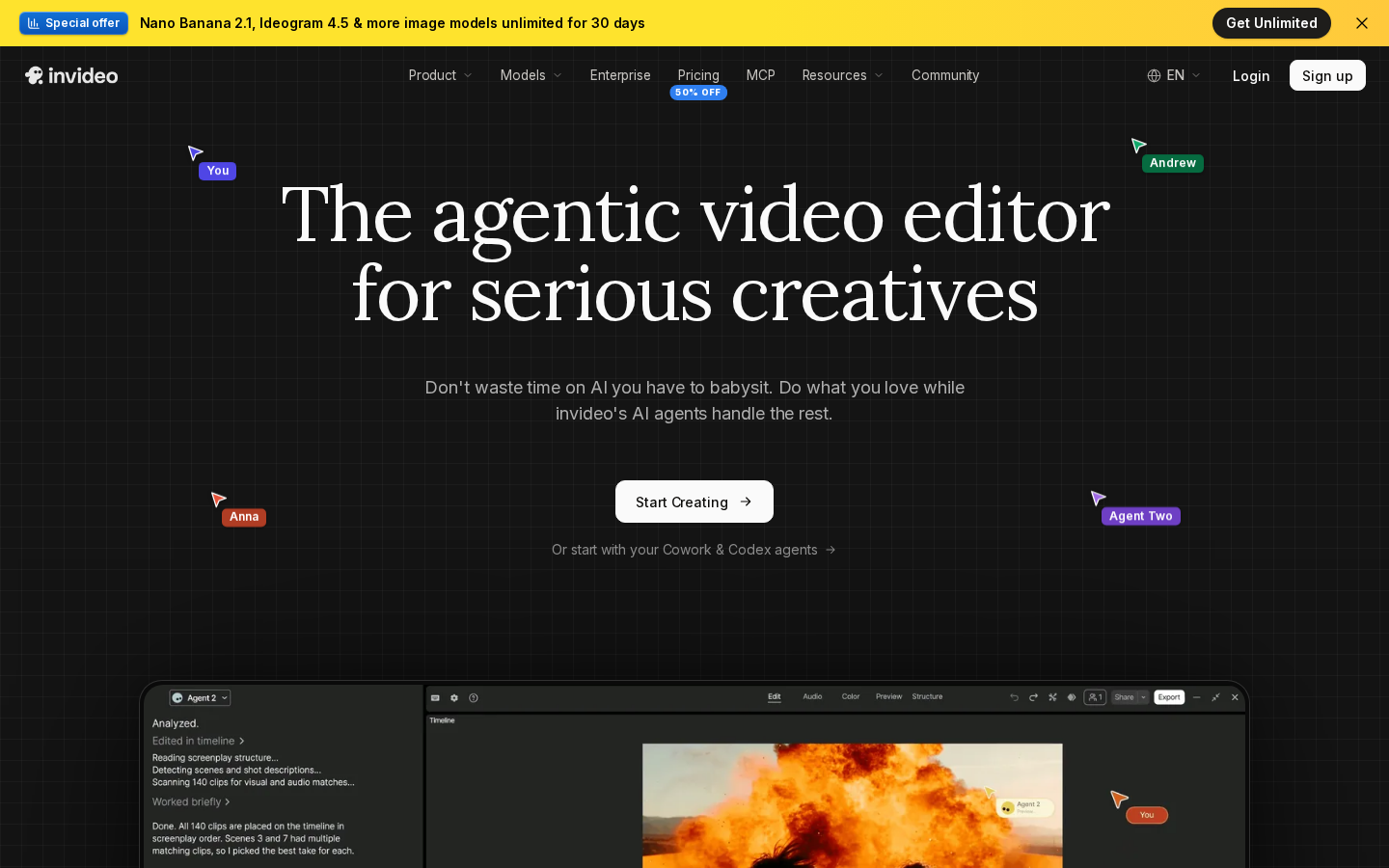
Pain it solves: InVideo turns prompts/scripts into short videos with stock/AI visuals, voice, captions, and a timeline—useful if your “Synthesia problem” was actually faceless social volume, not LMS-ready presenters (proof #20).
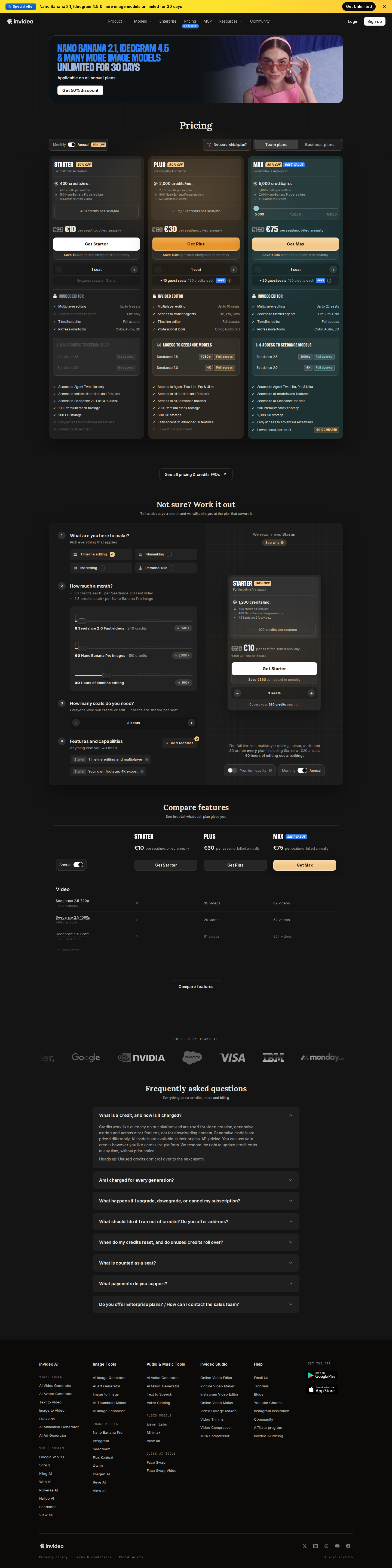
Pricing snapshot (2026-10-22): Starter €20/mo (€10/mo annual) 400 credits, 1 seat. Plus €60/mo (€30 annual) 2000 credits, up to 10 seats. Max €150/mo (€75 annual) 5000 credits, up to 20 seats. No free plan in snapshot; annual 50% promo noted (proof #19).
Trade-off: Credits evaporate on regenerations and agent chat; little rollover; annual cancel/refund pain is a loud theme. Prompt adherence and “AI slop” complaints are frequent. Not built as an enterprise avatar/SCORM twin of Synthesia (proof #20).
Migration effort: Low for Shorts/TikTok-style pipelines; poor fit if you need personal avatars, SSO, or compliance packages.
Best for: Solo social marketers iterating short explainers. Not for: B2B L&D programs replacing Synthesia one-for-one (proof #20).
Hour One — virtual presenters (verify live)
Hour One positions as text/script-to-video with lifelike virtual presenters for professional use. We did not capture a 2026-10-22 pricing snapshot or sentiment digest in this proof pack, so we are not inventing plan names, minute caps, or scores.
Treat it as a shortlist candidate only after you confirm current avatar quality, export limits, and contract terms on hourone.ai against the same script you use in Synthesia and HeyGen. If enterprise virtual-human presenters are mandatory, request a side-by-side pilot rather than buying from marketing pages alone.
When you should stay with Synthesia
Switching has a cost. Keep Synthesia when the complaints do not describe you.
Stay if:
- You are mid-to-large L&D/HR shipping brand-consistent onboarding and compliance, and the PowerPoint-like editor plus templates already cut production time dramatically (proof #12).
- One-click translation/dubbing across 140–160+ languages is core, not occasional (proof #12).
- You need collaboration patterns, SCORM/LMS export, and enterprise controls (SOC 2, SAML/SSO on Enterprise) more than expressive cinematic avatars (proof #11, #12).
- Budget is approved at Pro/Enterprise and credit pools (~15,000 credits/year Starter; ~72,000/year Pro on our EUR snapshot) match real output after you stop over-previewing (proof #11).
Still leave if: you are a solo creator on tight budget, need highly expressive long-form, work in categories that trip moderation, or your volume is too spiky for non-rolling credits (proof #12).
Pricing anchor (captured 2026-10-22, EUR): Basic free (500 credits/mo, ~10 min, watermark). Starter €19/mo or €12/mo annual. Pro €79/mo or €49/mo annual. Enterprise custom (proof #11).
How to switch from Synthesia without losing a quarter of content
- Inventory reality, not seats. Export a 30-day log: finished minutes, failed/preview burns, languages used, and whether you needed SCORM, guest editors, or personal avatars. Map that to HeyGen credits, Elai minutes, or DeepBrain generative credits—not vanity “unlimited” headlines (proofs #15, #33, #39).
- Pick the job, then the tool. Presenter + LMS → Elai or Colossyan. Expressive avatar + localization → HeyGen. Volume talking-head + dubbing → DeepBrain. Blog-to-social → Pictory. Short social prompt videos → InVideo.
- Pilot with three golden scripts. One compliance short, one product demo, one translated version. Score lip-sync, pronunciation of your jargon, brand kit parity, and export time.
- Re-create only durable assets. Brand colors/fonts, disclaimers, end cards, and 1–2 hero avatars. Archive Synthesia projects as MP4 + script before canceling; confirm whether cloud projects disappear on downgrade (vendor policies differ; Pictory users especially warn about download-before-cancel) (proof #22).
- Watch billing mechanics. Prefer monthly until credit math stabilizes. Document failed renders and ask about refunds before annual. Re-read moderation rules if you publish medical/finance/affiliate content—Synthesia leavers often hit similar filters elsewhere (proof #12).
- Run dual-tool for one cycle. Keep Synthesia Enterprise/Pro live through one training release while the alternative produces the same module; cut over only after stakeholder sign-off on avatar quality.
Objection checks: Learning curve is low on all major avatar tools for script-first users. Lock-in risk is mostly annual prepay and asset re-creation, not proprietary script formats. Price shock usually comes from premium-avatar credit multipliers and re-renders—model those explicitly on HeyGen and Elai before you buy (proof #16, #34).
Pricing traps across Synthesia competitors
Listicles rank tools by sticker price. Buyers regret effective cost per publishable minute.
- Synthesia: Free Basic is watermarked and tiny (500 credits/mo). Starter’s 15,000 credits/year and Pro’s 72,000 credits/year sound large until previews, iterations, and multi-language variants stack. EUR pricing and yearly “save up to 4 months” framing reward annual commits before you know burn rate (proof #11, #12).
- HeyGen: Creator/Pro look cheaper than Synthesia Pro in USD, but premium avatars can consume tens of credits per minute; failures still bill credits; mid-sub plan changes show up in complaints (proof #15, #16).
- Elai.io: $29/15 minutes is easy math—until re-renders deduct minutes and Team jumps to $125 (proof #33, #34).
- DeepBrain AI: Unlimited video exports on Personal/Team sit beside yearly generative credit pools and dubbing minute caps—the upsell surface (proof #39, #40).
- InVideo: Credit burn on regenerations turns €10–30 annual entry prices into “one good video a month” for some users (proof #19, #20).
Decision rule: Price the pilot as (plan cost ÷ count of stakeholder-approved finals), not generated drafts. If that unit cost exceeds freelance editing for your volume, neither Synthesia nor its alternatives are the bottleneck—process is.
Pros and cons
HeyGen
- Stronger modern avatar and photo-to-avatar options for demos and training
- Broad language/lip-sync localization workflows
- Fast script-to-video path for non-editors
- Clear Free/Creator/Pro entry before Business/Enterprise
- Credit burn on premium avatars and retries can erase sticker-price savings
- Lip-sync and motion quality still vary on longer clips
- Support and refund friction on failed renders and billing
- Plan/credit rule changes frustrate annual subscribers
Elai.io
- Minute-based plans are easier to forecast than opaque credits
- PPT/text storyboard fits L&D and onboarding teams
- Interactive elements, SCORM/LMS hooks, and helpful support called out often
- Free tier to smoke-test before Creator $29
- Avatar realism and gestures lag top competitors
- Re-renders consume minutes; caps feel tight for iterators
- Custom avatars/clones add meaningful cost
- Fewer templates/graphics than richer creative suites
Colossyan
- Built around training: branching, quizzes, SCORM/xAPI
- PPT/PDF/text import with low learning curve for IDs
- Multi-avatar conversation mode and localization features
- Responsive support reported even on trials
- Strict minute caps and upgrade pressure on non-Enterprise
- Motion/lip-sync still criticized versus leaders
- Render/preview mismatches and slow generations waste time
- Creative customization thinner than marketing-first tools
DeepBrain AI
- Photoreal presenters and custom clones from photo/video
- Unlimited core video exports on paid plans with long duration caps
- Solid multilingual dubbing/lip-sync for localization scale
- Low learning curve from script/PDF/URL
- Generative credits, queues, and length caps undercut ‘unlimited’ marketing
- Cancellation, charges, and support complaints are common
- Emotion/dynamism ceilings on avatars and PDF-to-video
- Reliability issues under load (long renders, freezes)
Pictory
- Excellent speed from blog/script/recording to captioned draft
- Transcript editing and brand kits help volume marketers
- Lower skill barrier than traditional NLEs
- Practical for faceless explainers and social repurposing
- Stock relevance often poor on niche/B2B topics
- Billing/cancellation and project-deletion reports
- Not a true Synthesia-class avatar platform
- Credits/minutes and slow previews frustrate polish-heavy users
InVideo
- Prompt-to-complete short social video in minutes
- Templates and timeline help non-editors ship drafts
- Seat scaling on Plus/Max for small teams
- Useful when the real need is Shorts volume not corporate presenters
- Aggressive credit consumption and weak rollover
- Annual cancel/refund pain widely reported
- Inconsistent prompt adherence and generic output
- Poor one-to-one replacement for Synthesia L&D stacks
Hour One
- Focused on professional virtual-human presenter videos from scripts
- Relevant shortlist item when lifelike presenters are the brief
- No pricing or sentiment snapshot in our 2026-10-22 proof pack—verify directly
- Cannot score trade-offs without a controlled pilot
Synthesia
- Mature script-to-video editor with templates and brand kits for business teams
- Strong multilingual translation/dubbing for global rollouts
- Enterprise trajectory: collaboration, SCORM, compliance features
- Free Basic tier to evaluate watermarked output
- Credit/minute caps, non-rollover waste, and billing surprises
- Avatars can still feel stiff or uncanny on longer creative scripts
- Strict moderation blocks some legitimate business content
- Support and reliability complaints heavier on lower tiers
Questions people ask
What is the best Synthesia alternative in 2026?
For most teams replacing avatar presenters, HeyGen is the best overall Synthesia alternative if you monitor credits on newer avatars. Choose Elai.io or Colossyan when training, PPT import, and SCORM-style delivery matter more than maximum realism. Stay on Synthesia when enterprise localization, brand controls, and LMS export already work and credits fit your volume.
Is there a cheaper Synthesia competitor for small teams?
Elai.io Creator at $29/mo for 15 minutes and DeepBrain AI Personal at $24/mo are common entry points in our snapshots. HeyGen Creator at $29/mo is similarly priced but can cost more in practice if premium avatars burn credits quickly. Always price finished videos, not list stickers.
How do Synthesia competitors compare on free plans?
Synthesia Basic offers 500 credits/month with watermark and about 10 minutes. HeyGen Free allows 3 watermarked videos up to one minute. Elai Free includes 1 minute/month. DeepBrain Free includes 3 short videos and limited generative credits. InVideo showed no free plan in our 2026-10-22 snapshot.
Can I replace Synthesia for multilingual training videos?
Yes—HeyGen, Colossyan, Elai.io, and DeepBrain AI all emphasize multi-language dubbing or translation with lip-sync in user feedback. Run the same translated script through two tools and check terminology pronunciation before you migrate a full course catalog.
Which Synthesia alternative is best if moderation keeps blocking my content?
No major vendor is a free-for-all. Synthesia users report strict filters on medical, finance, and affiliate topics; other platforms still enforce safety rules. Review each vendor’s acceptable-use policy and test borderline scripts on a paid monthly plan before annual commit. If your niche is routinely flagged, human presenters or traditional editing may be safer than any avatar SaaS.
HeyGen vs Synthesia — which should I pick?
Pick HeyGen when avatar expressiveness, photo avatars, and flexible short-form marketing matter more. Pick Synthesia when you need a business-standardized pipeline with strong localization, templates, and enterprise readiness—and your credit allowance covers production without constant overages. Many teams pilot both on identical scripts for two weeks.
Shortlist built—now test credits on your scripts
Start with HeyGen if avatar quality is why you searched for synthesia alternatives. Keep Elai.io or Colossyan in the pilot if training and LMS delivery are the real job. Compare finished minutes, not marketing unlimited claims.
Try HeyGenOur evidence




Sources: Synthesia official site, Synthesia pricing, HeyGen official site, HeyGen pricing, Elai.io official site, Elai.io pricing, Colossyan official site, DeepBrain AI Studios, DeepBrain AI pricing, Pictory official site, InVideo official site, InVideo pricing, Hour One official site